
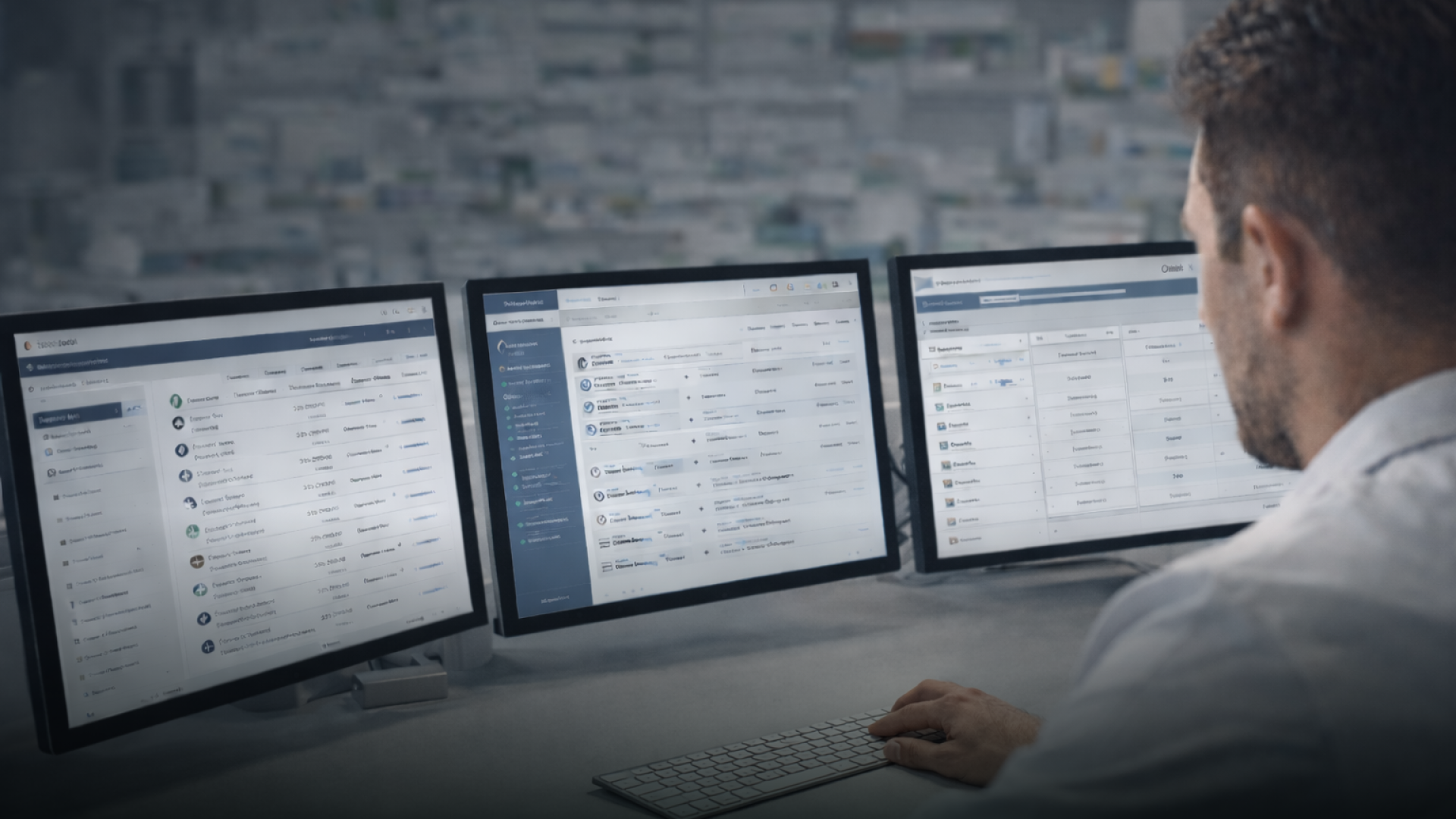
If your mornings start with logging into multiple scanner portals just to find new cases, you’re not alone. Labs are stuck living in IOS portals: checking for new submissions, downloading files, renaming folders, and trying not to miss anything important.
The problem isn’t just inconvenience.
When scan retrieval depends on someone remembering to check a portal, cases slip through. The result is avoidable delays, rushed production, and uncomfortable calls.
Even when cases aren’t missed, many labs only check portals once or twice a day. That means you don’t actually know your true workload in real time—making scheduling harder and turnaround promises less reliable.
Your team didn’t train to become “portal checkers.” When experienced staff spend their day downloading scans and organizing files, you burn expensive labor on a task that generates zero revenue.
As more scanners enter the market, portal complexity increases. Labs aren’t dealing with a temporary growing pain—they’re dealing with a permanent operational tax.
The best-run labs don’t treat scan retrieval as a manual morning ritual.
They create a system where:
This approach is often referred to as portal aggregation—and it’s quickly becoming the baseline for labs that want to scale without hiring more admins.
If any of these feel familiar, this problem is already impacting your margins:
This post explains the problem and what “good” looks like—but the full whitepaper breaks down the complete model labs are using to eliminate logins and automate scan retrieval.




