
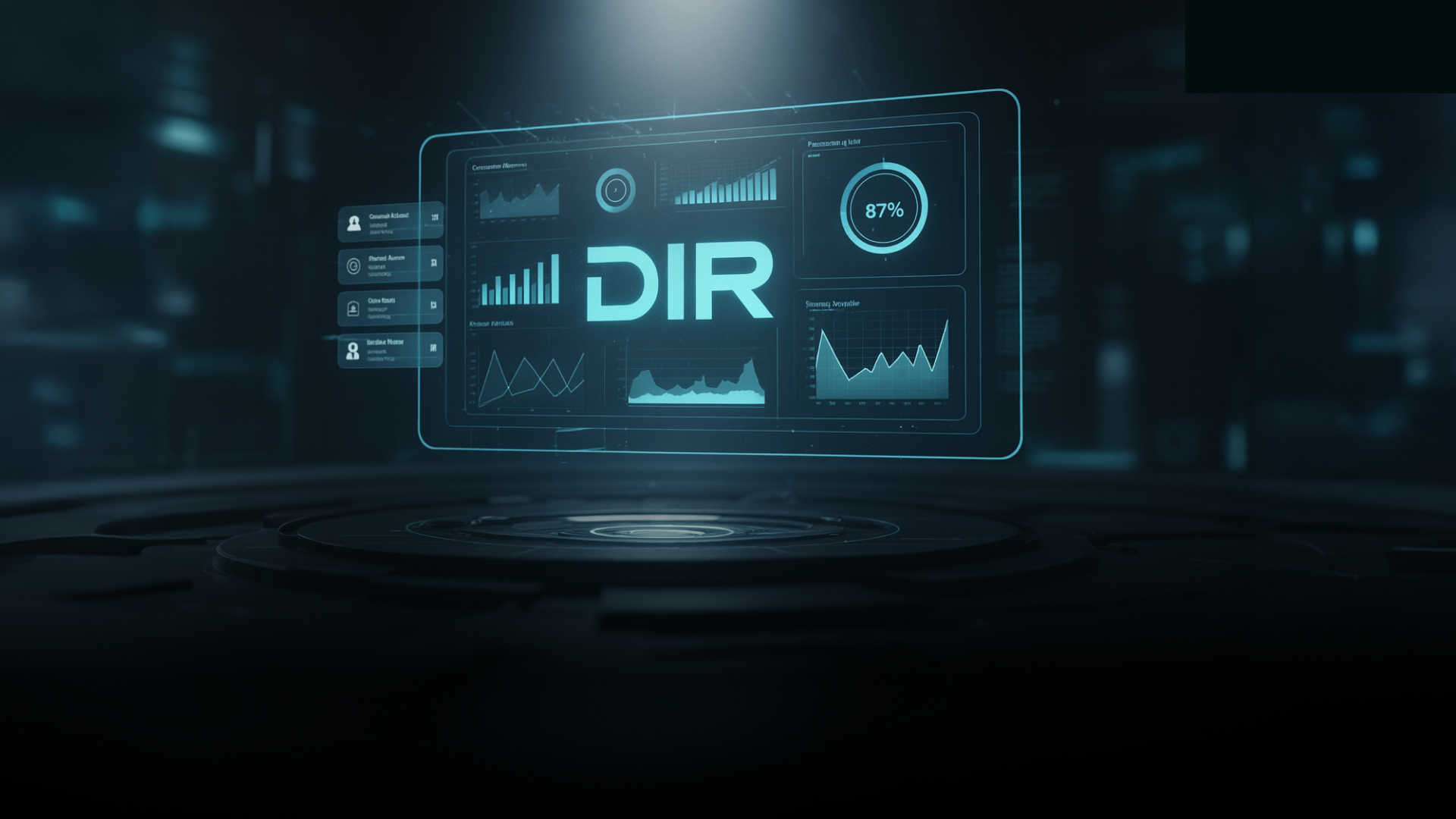
Most dental labs call themselves “full-service.” But in today’s digital world, full-service often means full-chaos — accepting analog impressions, handwritten Rxs, scattered emails, and inconsistent file formats that disrupt your workflow.
This chaos has a name: Low Digital Intake Rate (DIR).
If you want the full set of recommendations labs use to raise their Digital Intake Rate — including the steps that lead to cleaner case starts and more predictable workflows.
Digital Intake Rate (DIR) is the percentage of cases that enter your lab in a clean, standardized digital format — including digital Rxs, scans, structured attachments, and clear instructions.
DIR = (# of digital cases ÷ total cases) × 100
It’s one of the strongest predictors of:
Most labs don’t track DIR — even though it controls everything downstream.
Large labs don’t fail because of production quality. They fail because of intake inconsistency.
Low DIR creates:
High DIR delivers:
DIR is the single biggest lever for operational calm and financial performance.
Your lab needs a single, consistent way for dentists to submit cases.
Multiple intake channels = chaos.
One digital channel = clarity.
Analog isn’t going away, especially for large labs. But analog cases shouldn’t disrupt your workflow.
Your front desk should digitize:
The moment they arrive.
This ensures all cases — even analog — enter your workflow digitally.
A single place for all case-specific communications. Reduces email chaos, missing files, and inconsistent instructions.
Turns incoming analog items into instant digital case files. No more manual entry. No more workflow interruptions.
When every case enters cleanly and digitally, your entire production floor becomes calmer, more predictable, and easier to scale.
High DIR is the foundation of labs approaching 29% EBITDA.
DIR Is the #1 Chaos Killer in Modern Dental Labs
If your lab wants to:
Then controlling intake is the first — and most important — step.
High DIR = High control.
Low DIR = High chaos.
This article highlights why DIR matters. If you want the complete list of practical steps to improve it — from intake cleanup to automation strategies.
Your path to becoming a top-performing, automation-ready lab starts with one question:
What is your DIR today?




